

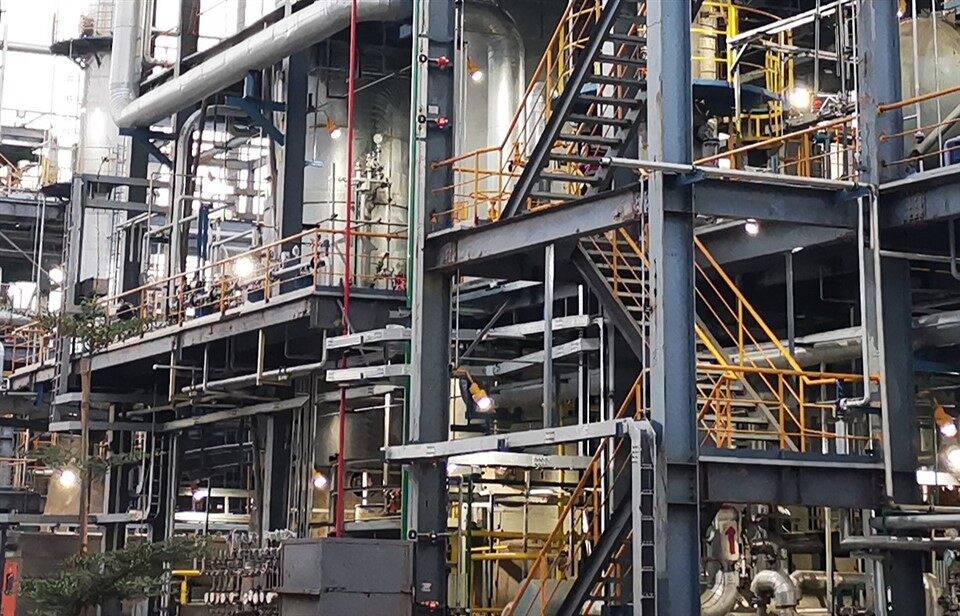
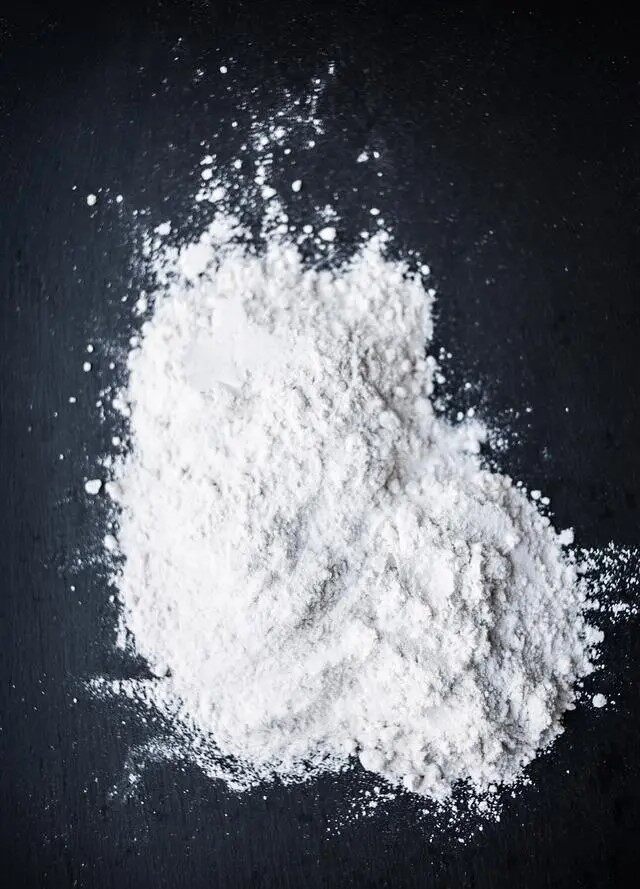
DAP plant
Diammonium phosphate (DAP) introduction
Diammonium phosphate, is an important inorganic compound. It is a colorless transparent monoclinic crystal or white powder, easily soluble in water and insoluble in alcohol.
Molecular formula: (NH4)2HPO4
Molecular weight: 132

Diammonium phosphate (DAP) application
- Agriculture
Diammonium phosphate is a compound fertilizer containing two nutrients, nitrogen and phosphorus. It is a high concentration quick acting fertilizer with low solid content after dissolution, suitable for various crops and soils, especially for crops that prefer and need nitrogen and phosphorus. It can be used as a base fertilizer or topdressing. When applied to acidic soil, it can reduce the fixation of iron and aluminum on phosphorus, maintain high effectiveness of phosphorus, and is suitable for deep application. It can be used as a feed additive for ruminants in animal husbandry. Industrial grade ammonium phosphate is widely used in agriculture as an efficient, fully water-soluble drip irrigation fertilizer and spray fertilizer.
- Chemical industrial production
Diammonium phosphate can be used for flame retardant treatment of fabrics, paper, wood, and plant fibers, impregnation treatment of wicks to increase their durability, and self extinguishing treatment after match ignition. It can be used as a dry powder fire extinguishing agent and phosphorus in fluorescent lamps. It can be used as a welding melt for tin, copper, bronze, and zinc. It is used in printing and plate making, electronic tube manufacturing, ceramics and enamel industries, and other fields. It is used for chrome dyeing of woolen fabrics in the printing and dyeing industry.
- Food industry
As a food leavening agent, dough conditioner, buffering agent, yeast feed, bread improver, and fermentation aid for brewing. It can also be used for refining sugar.
- Water treatment
As a corrosion inhibitor and bacterial nutrient in the biochemical treatment of wastewater. It is also used as a component of boiler water softener.
Production process
- Neutralization method
Dilute the thermal phosphoric acid into dilute phosphoric acid with distilled water, send it to the section tubular reactor with an acid pump for neutralization reaction with ammonia, and then pump the reaction solution to the second section tubular reactor for further reaction with ammonia to make the pH value of the reaction solution reach about 8.0. The solution is sent to the fine tuning tank to adjust the pH value to 7.8-8.0, and then sent to the evaporator for evaporation and concentration to the relative density of 1.3. After that it is sent to the cooling crystallizer for cooling and crystallizing. The finished product of diammonium phosphate is get after separated with mother liquid by centrifuging and drying. Mother liquor is used for recycling.
- Wet process phosphoric acid method
Wet process phosphoric acid is sent into the reaction device after passing through a gas purification system. By three-stage ammonification, impurities are formed into easily filtered precipitates. After the precipitate is separated by a filter press, the filtrate is sent to another reaction device for ammonia saturation, and then cooled in a cooling crystallizer to crystallize into triammonium phosphate. The settled crystals are centrifuged and dehydrated, and then sent into a boiling furnace for pyrolysis to produce Diammonium phosphate (DAP). After drying, the final product of Diammonium phosphate (DAP) is obtained.

What we can do in for Diammonium phosphate (DAP) plant
- Feasibility Study
- Front End Engineering Design (FEED)
- Engineering Consultation
- Diammonium phosphate (DAP) plant design & Engineering
- Process Know-how & Technology Licensing
- EPC/Turnkey
- Supply of Complete set of equipment
- Engineering Construction
- Construction Management
- Commissioning Services
- Operation & Maintenance Services


