

Hey there! As a supplier of Potassium Sulfate Plants, I often get asked about the cost of setting up such a plant. Well, let me break it down for you.
First off, what's potassium sulfate? It's a crucial fertilizer, known as SOP (Sulfate of Potash). It's got a bunch of benefits for plants, like improving their resistance to diseases and enhancing the quality of fruits and vegetables. That's why there's a high demand for it in the agricultural industry. And that's also why setting up a Potassium Sulfate Plant can be a great business move.
Land and Location Costs
The first major cost you'll face is finding the right piece of land. You need a big area, especially if you're planning a large - scale SOP Production Line. The price of land varies a lot depending on where you are. In rural areas, it'll be cheaper, but you might have issues with transportation and access to utilities. On the other hand, industrial zones in urban areas are more expensive, but they usually come with better infrastructure.
You also need to consider the zoning regulations. You've got to make sure the land is zoned for industrial use, especially for a chemical - related plant like this. Sometimes, you might have to pay for re - zoning, which can add to the cost. And don't forget about environmental impact assessments. These can be time - consuming and costly, but they're a must to make sure your plant meets all the environmental standards.
Equipment Costs
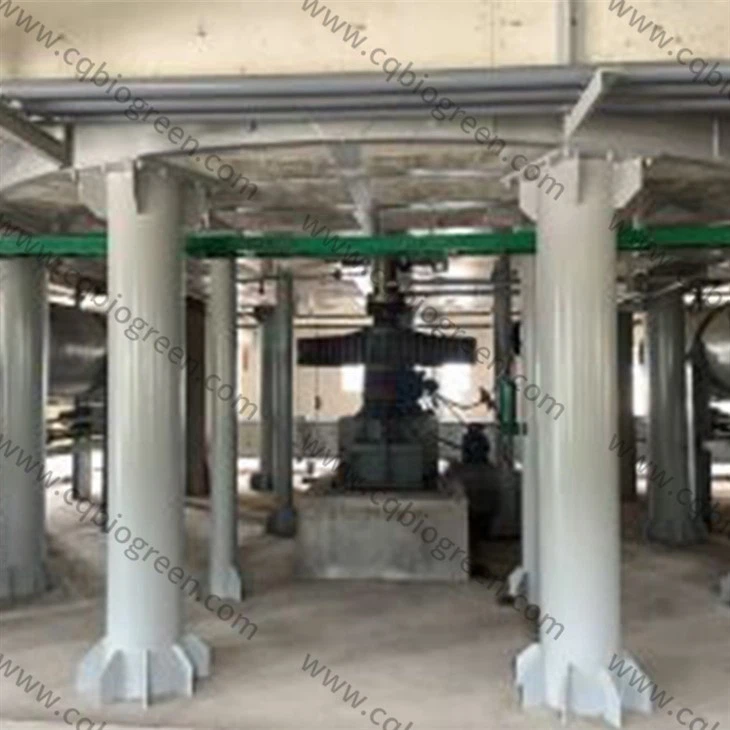
The equipment is a huge part of the budget. For a Potassium Sulfate Plant, you'll need various types of Potassium Sulfate Equipment. There are reactors for the chemical reactions, filtration systems to separate the product from impurities, drying machines to remove moisture, and packaging equipment to get the final product ready for the market.
The quality of the equipment matters a lot. High - quality equipment might cost more upfront, but it'll last longer and require less maintenance in the long run. You can choose between brand - new equipment or used ones. Used equipment is cheaper, but you've got to be careful. There could be hidden problems, and it might not be as efficient as new equipment.
You also need to factor in the installation costs. Some equipment is really complex to install and might require specialized technicians. And once the equipment is installed, you'll need to test it thoroughly to make sure it's working properly. This might involve some trial runs and adjustments, which can also add to the cost.
Raw Material Costs
Potassium sulfate is usually produced from potassium chloride and sulfuric acid. The cost of these raw materials can fluctuate a lot depending on the market. You need to find reliable suppliers and negotiate good contracts to get the best prices. Sometimes, you might be able to get discounts if you buy in bulk.
Transportation of raw materials is another cost. You need to make sure the raw materials are delivered to your plant safely and on time. If there are any delays, it can disrupt your production schedule. And depending on the distance and the mode of transportation, the cost can vary. For example, shipping by sea is usually cheaper for large quantities, but it takes longer.
Labor Costs
You'll need a team of skilled workers to run your Potassium Sulfate Plant. There are operators to run the equipment, chemists to monitor the chemical processes, and maintenance staff to keep the equipment in good condition. The labor cost depends on the local wage rates and the level of expertise required.
Training is also an important part. Your workers need to be trained on how to operate the equipment safely and efficiently. You might need to hire trainers or send your employees for external training programs. This can be a significant cost, but it's essential to ensure the smooth running of your plant.
Utility Costs
Utilities like electricity, water, and gas are essential for your plant. Electricity is needed to power the equipment, water is used in the production process, and gas might be used for heating. The cost of utilities can be a big chunk of your operating expenses. You need to find ways to optimize your energy consumption. For example, you can invest in energy - efficient equipment or use renewable energy sources if possible.
Regulatory and Licensing Costs
To operate a Potassium Sulfate Plant, you need to obtain various licenses and permits. There are environmental licenses, business licenses, and safety permits. The application process can be complicated, and you might need to hire a lawyer or a consultant to help you with it. The fees for these licenses and permits can add up, and you also need to renew them regularly.
Marketing and Distribution Costs
Once you've produced your potassium sulfate, you need to sell it. You'll need to invest in marketing to create awareness about your product. This can involve advertising, attending trade shows, and building a brand. You also need to set up a distribution network to get your product to the customers. This might involve partnering with distributors, wholesalers, or retailers.
The cost of marketing and distribution depends on the scale of your operation. If you're targeting a local market, it might be easier and cheaper. But if you're looking at the international market, you'll need to deal with more complex logistics and marketing strategies.
Contingency Costs
It's always a good idea to set aside some money for unexpected costs. There could be unforeseen problems like equipment breakdowns, natural disasters, or changes in regulations. Having a contingency fund will help you deal with these situations without disrupting your production.
So, as you can see, setting up a Potassium Sulfate Plant is a big investment. But if you do it right, it can be a very profitable business. The demand for potassium sulfate is growing, and if you can produce a high - quality product at a competitive price, you'll be able to make a good profit in the long run.
If you're interested in setting up a potassium sulfate plant and want to learn more about the costs and how we can help you, don't hesitate to get in touch. We've got the experience and the resources to assist you every step of the way. Whether it's choosing the right equipment, finding reliable suppliers, or dealing with regulatory issues, we're here to support you.
References
- "Fertilizer Production Technology" by John Doe
- "Chemical Manufacturing Costs" by Jane Smith
- Industry reports on potassium sulfate production