

What is the cost of operating a Mannheim Furnace?
As a seasoned supplier of Mannheim Furnaces, I've witnessed firsthand the intricate balance between efficiency and cost in the operation of these vital industrial units. The Mannheim Furnace is a cornerstone in the production of potassium sulfate, a key component in high - quality fertilizers. Understanding the costs associated with its operation is crucial for businesses aiming to optimize their production processes and bottom lines.
Initial Investment
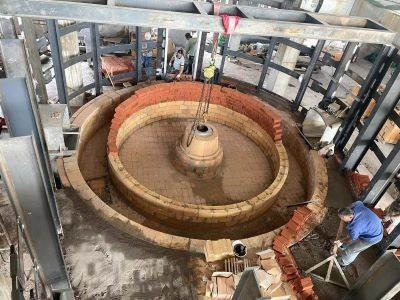
The first major cost factor is the initial purchase of the Mannheim Furnace. The price can vary significantly based on several factors such as the furnace's capacity, the quality of materials used in its construction, and additional features. High - capacity furnaces designed for large - scale industrial production generally come with a higher price tag. For instance, a state - of - the - art Mannheim Furnace with advanced automation features and made from premium heat - resistant materials will cost more compared to a basic model. This initial investment is not just about the physical furnace but also includes installation costs, which involve site preparation, connection to utilities such as gas, water, and electricity, and the labor required for proper setup.

Energy Costs
Energy is one of the most substantial ongoing expenses in operating a Mannheim Furnace. These furnaces typically rely on natural gas or other fossil fuels to generate the high temperatures required for the chemical reactions involved in potassium sulfate production. The amount of energy consumed depends on the furnace's design, its insulation quality, and the production volume. A well - insulated furnace will lose less heat, thus requiring less energy to maintain the desired operating temperature. Additionally, the efficiency of the burner system plays a crucial role. Modern, high - efficiency burners can significantly reduce gas consumption compared to older, less efficient models.
In regions where energy prices are high, the cost of fuel can quickly become a major financial burden. For example, in some European countries with strict environmental regulations and high energy taxes, the cost of natural gas can be a significant portion of the overall operating expenses. Regular maintenance of the heating system, including cleaning and tuning the burners, is essential to ensure optimal energy efficiency and reduce long - term energy costs.
Raw Material Costs
The raw materials used in a Mannheim Furnace are another significant cost element. The primary raw materials for potassium sulfate production are sulfuric acid and potassium chloride. The prices of these chemicals are subject to market fluctuations influenced by factors such as global supply and demand, mining production levels, and geopolitical events. For instance, if there is a disruption in the production of sulfuric acid due to a natural disaster at a major production facility, the price of sulfuric acid can spike, increasing the operating costs of the Mannheim Furnace.
Moreover, the quality of the raw materials also matters. Higher - quality raw materials may cost more upfront but can lead to better product yields and fewer impurities in the final potassium sulfate product. This can translate into higher - quality fertilizers that command a premium price in the market. However, businesses need to carefully balance the cost of high - quality raw materials against the potential increase in revenue from selling a superior product.
Labor Costs
Labor is an essential part of operating a Mannheim Furnace. Skilled operators are required to monitor the furnace's operation, control the chemical reactions, and ensure the safety of the production process. The number of operators needed depends on the size and complexity of the furnace. Larger, more automated furnaces may require fewer operators, but these operators need to be highly trained to handle the advanced control systems.
In addition to the operators, maintenance staff are also necessary to perform regular inspections, repairs, and preventive maintenance on the furnace. Labor costs can vary widely depending on the region, with higher wages typically paid in developed countries. To manage labor costs effectively, companies may invest in training programs to improve the skills of their employees, enabling them to perform multiple tasks and increase productivity.
Maintenance and Repair Costs
Regular maintenance is crucial to keep a Mannheim Furnace operating at peak efficiency and to prevent costly breakdowns. Maintenance tasks include inspecting and replacing worn - out parts, checking the integrity of the furnace lining, and calibrating the control systems. The frequency of maintenance depends on the usage intensity of the furnace. A furnace that operates continuously at high capacity will require more frequent maintenance compared to one that operates intermittently.
When breakdowns occur, the cost of repairs can be substantial. In some cases, major component failures may require the replacement of expensive parts, such as the burner system or the heat exchanger. To minimize maintenance and repair costs, companies often develop comprehensive maintenance schedules and keep a stock of critical spare parts on hand.
Environmental Compliance Costs
In today's regulatory environment, environmental compliance is a significant cost for Mannheim Furnace operators. The production process in a Mannheim Furnace generates certain by - products and emissions, such as hydrogen chloride gas. These emissions need to be properly treated and controlled to meet environmental standards.
Companies are required to invest in pollution control equipment, such as scrubbers and filters, to remove harmful substances from the exhaust gases. The installation and operation of this equipment can be expensive, including the cost of purchasing the equipment, installing it, and the ongoing cost of maintaining and operating it. Additionally, companies may need to conduct regular environmental monitoring and reporting, which also incurs costs.
Impact on the Overall Production Economics
The costs associated with operating a Mannheim Furnace have a direct impact on the overall production economics of potassium sulfate. High operating costs can erode profit margins, especially in a competitive market where the price of potassium sulfate is relatively stable. To remain competitive, companies need to find ways to reduce costs without sacrificing product quality.
One approach is to invest in more efficient technologies. For example, upgrading to a more energy - efficient Mannheim Furnace or implementing advanced process control systems can lead to significant cost savings over time. Another strategy is to optimize the supply chain for raw materials to secure better prices and more reliable supplies.
When considering the cost - effectiveness of a Mannheim Furnace, it's also important to look at the potential revenue from the sale of the potassium sulfate produced. High - quality potassium sulfate can be used in a variety of applications, including SOP Production Line, SOP Making Machine, and Potassium Sulphate Production Line. By producing a superior product, companies can command a higher price in the market, offsetting some of the operating costs.
Conclusion
Operating a Mannheim Furnace involves a complex web of costs, including initial investment, energy, raw materials, labor, maintenance, and environmental compliance. Understanding these costs and finding ways to manage them effectively is essential for the long - term success of businesses in the potassium sulfate production industry.
As a supplier of Mannheim Furnaces, I'm committed to helping our customers navigate these cost challenges. We offer a range of high - quality furnaces designed for maximum efficiency and reliability, along with comprehensive after - sales support. If you're interested in learning more about our Mannheim Furnaces or discussing how to optimize the operating costs of your production process, please don't hesitate to contact us for further information and to start a procurement discussion.
References
- "Chemical Engineering Handbook" - A comprehensive guide on industrial chemical processes and equipment costs.
- Industry reports on the potassium sulfate market, which provide insights into raw material prices and production costs.
- Research papers on energy efficiency in industrial furnaces, highlighting strategies for reducing energy consumption.