

Hey there! If you're in the fertilizer production game, you know that having a top - notch SOP (Standard Operating Procedure) production line is crucial. As a supplier of SOP Production Lines, I've seen firsthand how important it is to understand the key elements that make these lines tick. So, let's dive right into it!
1. Raw Material Handling
The first step in any SOP production line is dealing with raw materials. For SOP production, the main raw materials typically include potassium chloride, sulfuric acid, and some other additives. A good SOP production line needs a well - designed system for receiving, storing, and transporting these raw materials.
Receiving: You've got to have a proper inspection procedure when the raw materials arrive. This ensures that the quality meets your standards. For instance, if the potassium chloride has too many impurities, it can mess up the entire production process.
Storing: Different raw materials require different storage conditions. Sulfuric acid is highly corrosive, so it needs to be stored in special containers made of corrosion - resistant materials. On the other hand, potassium chloride can be stored in regular silos, but you still have to keep it dry to prevent caking.
Transporting: Once the raw materials are ready, they need to be moved to the production area. This can be done through various means such as conveyor belts, pumps, or pipelines. The system should be designed to minimize spills and ensure a consistent flow of materials.
2. Reaction Process
The reaction process is the heart of the SOP production line. It's where the magic happens, and potassium chloride and sulfuric acid react to form potassium sulfate. This reaction usually takes place in a reactor, and there are a few key things to consider here.
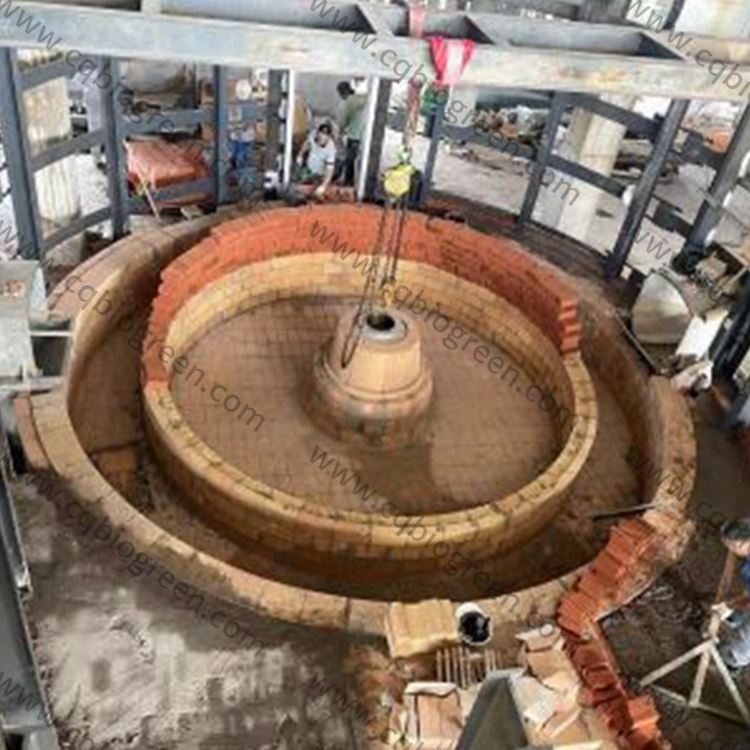

Temperature Control: The reaction between potassium chloride and sulfuric acid is exothermic, which means it releases heat. Too much heat can cause side reactions or damage the equipment. So, you need a good temperature control system to keep the reaction at the right temperature.
Mixing: Proper mixing of the raw materials is essential for a complete reaction. The reactor should have an efficient agitator to ensure that the potassium chloride and sulfuric acid are evenly mixed. This helps to increase the reaction rate and improve the quality of the product.
Reaction Time: You can't rush the reaction. There's an optimal reaction time that you need to follow. If you remove the product too soon, the reaction won't be complete, and you'll end up with a lower - quality product.
3. Separation and Purification
After the reaction, the mixture contains potassium sulfate as well as some by - products and unreacted materials. This is where the separation and purification process comes in.
Filtration: The first step is usually filtration. This helps to separate the solid potassium sulfate from the liquid by - products. You need a high - quality filter that can effectively remove the impurities and ensure a clear filtrate.
Washing: Once the filtration is done, the solid potassium sulfate is usually washed to remove any remaining impurities. This step is crucial for improving the purity of the final product.
Evaporation and Crystallization: After washing, the liquid may contain some dissolved potassium sulfate. Evaporation is used to concentrate the solution, and then crystallization occurs to form potassium sulfate crystals. The temperature and the rate of evaporation need to be carefully controlled to get the right crystal size and shape.
4. Packaging
Once the potassium sulfate is purified and dried, it's time to package it. Good packaging not only protects the product during storage and transportation but also provides important information to the customers.
Packaging Material: You can choose from a variety of packaging materials such as bags, drums, or containers. The material should be strong enough to prevent leakage and damage. For example, plastic bags are commonly used for small - scale packaging, while drums are more suitable for large - scale shipments.
Labeling: The package should have clear labels indicating the product name, grade, quantity, and any safety instructions. This helps the customers to identify and handle the product correctly.
5. Automation and Control Systems
In today's world, automation is key to improving the efficiency and quality of SOP production lines. Having a good automation and control system can make a big difference.
Sensors: Sensors are used to monitor various parameters such as temperature, pressure, flow rate, and pH. These sensors provide real - time data to the control system, allowing for quick adjustments if any parameter goes out of range.
Control Software: The control software is the brain of the automation system. It analyzes the data from the sensors and sends commands to the actuators, such as valves and pumps, to maintain the optimal operating conditions.
Now, if you're in the market for a top - notch SOP Production Line, we've got you covered. Our production lines are designed with all these key elements in mind, ensuring high - quality SOP production. We also offer SOP Making Machine that are state - of - the - art and can significantly improve your production efficiency. And if you're looking for a complete solution, our Potassium Sulfate Plant is an excellent choice.
If you're interested in learning more about our products or getting a quote, don't hesitate to reach out. We're always happy to have a chat and discuss how we can meet your specific production needs. Whether you're a small - scale operation or a large - scale fertilizer producer, we've got the expertise and the equipment to make your SOP production a success.
Let's have a conversation and see how we can work together to take your fertilizer production to the next level!
References
- Fertilizer Technology Handbook
- Textbook on Chemical Reaction Engineering