

Hey there! As a supplier for chemical plants, I've seen firsthand how crucial fire prevention is in these facilities. Chemical plants deal with all sorts of flammable and combustible materials, so having proper fire prevention measures in place is a must. In this blog, I'll share some key fire prevention strategies that every chemical plant should consider.
1. Understanding the Risks
First things first, it's important to understand the fire risks in a chemical plant. Different chemicals have different properties, and some are more prone to catching fire or exploding than others. For example, volatile organic compounds (VOCs), flammable gases, and reactive chemicals can pose significant fire hazards.
When dealing with these substances, it's essential to know their flash points, ignition temperatures, and other safety data. This knowledge helps in determining the appropriate storage, handling, and processing methods. For instance, chemicals with low flash points should be stored in cool, well - ventilated areas away from sources of ignition.
2. Proper Storage
Proper storage of chemicals is a cornerstone of fire prevention. Chemicals should be stored in designated areas that are separated based on their compatibility. Incompatible chemicals can react with each other and cause fires or explosions.
For example, oxidizers should be stored separately from flammable substances. Storage areas should also be equipped with appropriate containment systems, such as spill berms, to prevent chemical spills from spreading. Additionally, storage facilities need to be well - ventilated to prevent the buildup of flammable vapors.
We offer a range of storage solutions for chemical plants. If you're interested in a Sodium Silicate Plant From Rice Husk Ash, we've got you covered. Our plants are designed with safety in mind, ensuring proper storage and handling of sodium silicate.
3. Handling and Transfer
The way chemicals are handled and transferred within the plant is also critical. When transferring chemicals, it's important to use proper equipment, such as pumps and hoses that are rated for the specific chemicals being transferred. These equipment should be regularly inspected and maintained to prevent leaks.
During handling, workers should follow strict safety procedures. For example, they should wear appropriate personal protective equipment (PPE), such as gloves, goggles, and flame - resistant clothing. Also, the transfer areas should be well - lit and free of clutter to prevent accidents.
4. Electrical Safety
Electrical systems in chemical plants can be a major source of ignition. Faulty wiring, overloaded circuits, and improper electrical equipment can all lead to fires. To prevent electrical fires, all electrical installations should be designed, installed, and maintained according to relevant safety standards.
This includes using explosion - proof electrical equipment in areas where flammable vapors or dust may be present. Regular electrical inspections should be carried out to identify and fix any potential hazards.
5. Fire Detection and Suppression Systems
Installing reliable fire detection and suppression systems is essential. Smoke detectors, heat detectors, and gas detectors should be installed throughout the plant to detect fires at an early stage. These detectors should be connected to an alarm system that alerts workers and emergency responders.
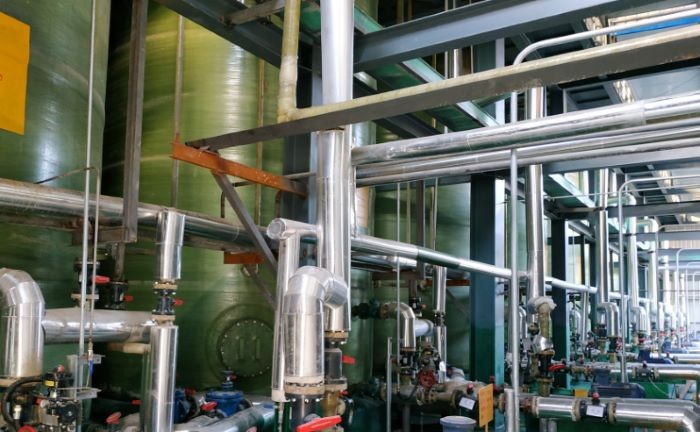

In addition to detection systems, fire suppression systems are also necessary. Sprinkler systems are commonly used in chemical plants. They can quickly extinguish fires or at least control them until the arrival of the fire department. Other suppression methods, such as foam systems, can be used for specific types of fires, like those involving flammable liquids.
We also provide LPG Bullet Tank solutions. These tanks are designed with safety features to prevent fires and explosions. The tanks are equipped with pressure relief valves and other safety devices to ensure the safe storage of LPG.
6. Employee Training
Employees are the first line of defense against fires in a chemical plant. They should receive comprehensive fire safety training. This training should cover topics such as fire prevention, emergency evacuation procedures, and the proper use of fire - fighting equipment.
Regular drills should be conducted to ensure that employees are familiar with the emergency procedures. Workers should also be trained to recognize potential fire hazards in their work areas and report them immediately.
7. Maintenance and Inspections
Regular maintenance and inspections are vital for fire prevention. All equipment, including storage tanks, pipes, valves, and fire safety systems, should be inspected and maintained on a regular basis. This helps to identify and fix any potential problems before they turn into major fires.
Inspections should be carried out by qualified personnel who are familiar with the specific requirements of chemical plants. Records of inspections and maintenance should be kept for future reference.
8. Emergency Response Planning
Even with the best prevention measures in place, fires can still occur. That's why having a well - developed emergency response plan is crucial. The plan should include procedures for evacuating the plant, notifying the fire department, and dealing with chemical spills and fires.
It should also assign specific roles and responsibilities to employees during an emergency. Regular emergency response drills should be conducted to test the effectiveness of the plan and ensure that employees are prepared.
We also offer White Carbon Black Plant solutions. These plants are designed with safety features to prevent fires and ensure the smooth operation of the production process.
Conclusion
Fire prevention in a chemical plant is a complex but necessary task. By understanding the risks, implementing proper storage, handling, and safety procedures, and having reliable detection and suppression systems, chemical plants can significantly reduce the risk of fires.
If you're looking for high - quality chemical plant equipment and solutions, we're here to help. Whether it's a storage tank, a production plant, or fire safety equipment, we've got the products and expertise you need. Contact us for a consultation and let's work together to keep your chemical plant safe from fires.
References
- National Fire Protection Association (NFPA) Standards
- Occupational Safety and Health Administration (OSHA) Guidelines for Chemical Plants
- Chemical Safety and Hazard Investigation Board (CSB) Reports on Chemical Plant Fires