

As a reputable supplier of industrial plants, I frequently engage with clients seeking to optimize and modernize their White Carbon Black Plants. This blog aims to comprehensively explore equipment upgrading plans for White Carbon Black Plants, sharing insights that can enhance production efficiency, product quality, and environmental sustainability.
Understanding the White Carbon Black Plant
Before delving into equipment upgrading plans, it's essential to understand the basic operations of a White Carbon Black Plant. White carbon black, also known as precipitated silica, is a widely used industrial material in rubber, plastics, coatings, and other industries. The production process typically involves the reaction of sodium silicate with an acid, followed by precipitation, filtration, washing, and drying.
Key Equipment in a White Carbon Black Plant
- Reaction Vessels: These are where the chemical reactions occur between sodium silicate and acid to form the white carbon black precipitate. The design and material of the reaction vessels are crucial for efficient reactions and product quality.
- Filtration and Washing Equipment: After the precipitation reaction, the solid product needs to be separated from the liquid phase. Filtration and washing equipment are used to remove impurities and excess reactants, ensuring the purity of the final product.
- Drying Equipment: The washed precipitate is then dried to obtain the final white carbon black product. Different types of drying equipment, such as spray dryers or flash dryers, can be used depending on the specific requirements of the plant.
- Material Handling Equipment: This includes conveyors, pumps, and storage tanks for transporting and storing raw materials, intermediate products, and the final product. Efficient material handling is essential for smooth plant operations.
Equipment Upgrading Plans
1. Reaction Vessel Upgrades
- Improved Mixing Systems: Upgrading the mixing systems in the reaction vessels can enhance the uniformity of the reaction, leading to better product quality. For example, installing high - shear mixers or advanced agitator designs can ensure thorough mixing of sodium silicate and acid, reducing reaction time and improving the consistency of the precipitate.
- Corrosion - Resistant Materials: Since the reaction environment in a White Carbon Black Plant can be corrosive, using corrosion - resistant materials for the reaction vessels can extend their service life and reduce maintenance costs. Materials such as stainless steel alloys or lined vessels can provide better protection against chemical corrosion.
2. Filtration and Washing Equipment Upgrades
- Advanced Filtration Technologies: Upgrading to advanced filtration technologies, such as membrane filtration or pressure filtration, can improve the efficiency of solid - liquid separation. These technologies can provide higher filtration rates, better product quality, and lower moisture content in the filtered product.
- Automated Washing Systems: Implementing automated washing systems can reduce labor costs and improve the consistency of the washing process. These systems can precisely control the amount of washing water and the washing time, ensuring thorough removal of impurities from the precipitate.
3. Drying Equipment Upgrades
- Energy - Efficient Drying Technologies: Upgrading to energy - efficient drying technologies can significantly reduce energy consumption in the plant. For example, using heat pump dryers or fluidized bed dryers can recover and reuse waste heat, improving the overall energy efficiency of the drying process.
- Improved Temperature and Humidity Control: Precise control of temperature and humidity in the drying equipment is crucial for obtaining high - quality white carbon black products. Upgrading the control systems to provide more accurate temperature and humidity regulation can prevent product degradation and improve the consistency of the final product.
4. Material Handling Equipment Upgrades
- Automated Conveyor Systems: Installing automated conveyor systems can improve the efficiency of material transportation within the plant. These systems can be programmed to transport materials at a constant speed and in the right quantity, reducing the risk of material spills and improving overall productivity.
- Smart Storage Tanks: Upgrading to smart storage tanks with level sensors and monitoring systems can provide real - time information about the inventory levels of raw materials and products. This can help in better inventory management and prevent production disruptions due to material shortages.
Integration with Other Chemical Plants
In some cases, integrating the White Carbon Black Plant with other related chemical plants can bring additional benefits. For example, Sodium Silicate Plant From Rice Husk Ash can provide a cost - effective source of sodium silicate, which is a key raw material for white carbon black production. By integrating these two plants, the overall production cost can be reduced, and the environmental impact can be minimized through better utilization of resources.

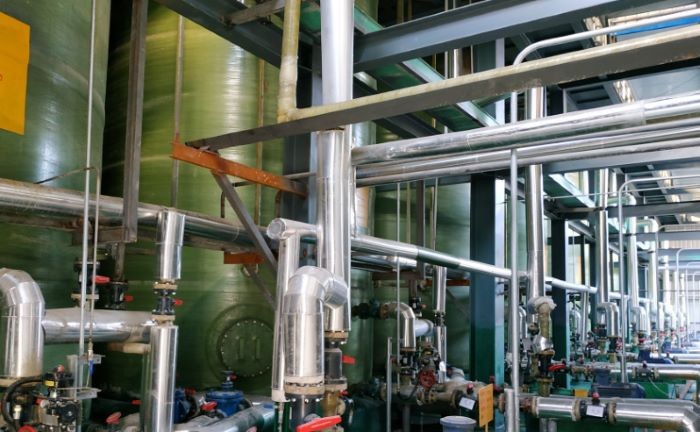
Similarly, Stearic Acid Plant can be integrated with the White Carbon Black Plant if the white carbon black is used in rubber or plastic applications where stearic acid is also a common additive. This integration can streamline the supply chain and improve the overall efficiency of the production process.
Environmental Considerations in Equipment Upgrading
- Waste Reduction: Upgrading equipment can help in reducing waste generation during the production process. For example, more efficient filtration systems can reduce the amount of wastewater generated, and energy - efficient drying technologies can reduce greenhouse gas emissions.
- Emission Control: Installing advanced emission control equipment, such as scrubbers or filters, can reduce the release of pollutants into the environment. This is particularly important for meeting environmental regulations and maintaining a good corporate image.
Cost - Benefit Analysis of Equipment Upgrading
When considering equipment upgrading plans, it's essential to conduct a cost - benefit analysis. The upfront cost of upgrading equipment can be significant, but the long - term benefits, such as increased production efficiency, improved product quality, and reduced maintenance costs, can outweigh the initial investment. Additionally, the potential savings in energy consumption and waste management can also contribute to the overall cost - effectiveness of the upgrading plans.
Conclusion
Upgrading the equipment in a White Carbon Black Plant is a strategic decision that can bring numerous benefits, including improved production efficiency, product quality, and environmental sustainability. By carefully evaluating the specific needs of the plant and considering the latest technologies and industry trends, operators can develop effective equipment upgrading plans.
If you are interested in exploring equipment upgrading options for your White Carbon Black Plant or learning more about our plant solutions, we welcome you to contact us for a detailed discussion and procurement negotiation. Our team of experts is ready to assist you in optimizing your plant operations and achieving your business goals.
References
- Handbook of Precipitated Silica and Silicates
- Chemical Engineering Journal articles on industrial plant optimization
- Industry reports on white carbon black production and technology trends