

DCP (Dicalcium Phosphate) plants are essential in the fertilizer and animal feed industries. They play a crucial role in producing dicalcium phosphate, a widely used ingredient. However, there are different types of DCP plants, each with its own set of characteristics, processes, and outputs. As a DCP plant supplier, I have in - depth knowledge of these differences, which I will share in this blog.
1. Raw Material Sources and Pretreatment
The type of DCP plant can be distinguished by the raw materials it uses. Some DCP plants use phosphate rock as the primary source of phosphorus. Phosphate rock is a natural mineral that contains various impurities such as fluorine, iron, and aluminum. Before the production process, the phosphate rock needs to be finely ground and then treated with acid, usually sulfuric acid, to extract the phosphorus. This pretreatment process is crucial as it determines the quality and purity of the final DCP product.
On the other hand, some DCP plants use recycled phosphate materials, such as waste from the food or chemical industries. These recycled materials often require less extensive pretreatment compared to phosphate rock. However, they may have a more variable composition, which can pose challenges in maintaining a consistent product quality.
2. Production Processes
Wet - Process DCP Plants
Wet - process DCP plants are the most common type. In a wet - process plant, the phosphate rock is first reacted with sulfuric acid to produce phosphoric acid. This phosphoric acid is then neutralized with calcium carbonate or calcium hydroxide to form dicalcium phosphate. The reaction takes place in large reactors under controlled temperature and pressure conditions.
The advantage of wet - process DCP plants is their high production capacity. They can produce large quantities of DCP in a relatively short time. However, this process also generates a significant amount of waste, such as gypsum, which needs to be properly disposed of.
Dry - Process DCP Plants
Dry - process DCP plants, in contrast, use a different approach. Instead of producing phosphoric acid as an intermediate, the phosphate rock is directly reacted with calcium - containing materials in a dry state. This process typically involves high - temperature calcination.
Dry - process DCP plants are more energy - intensive compared to wet - process plants. However, they produce a higher - quality DCP product with less impurities. The dry - process is also more environmentally friendly as it generates less waste.
3. Product Quality and Purity
The quality and purity of DCP produced by different types of plants can vary significantly. Wet - process DCP plants may produce DCP with a lower purity due to the presence of impurities from the raw materials and the reaction by - products. For example, the gypsum generated in the wet - process can contaminate the DCP product if not properly separated.
Dry - process DCP plants, on the other hand, tend to produce a purer DCP product. The high - temperature calcination process helps to remove many of the impurities, resulting in a DCP product with a higher phosphorus and calcium content.
4. Energy Consumption
Energy consumption is another important factor that differentiates different types of DCP plants. Wet - process DCP plants generally have lower energy consumption during the reaction process. However, they require significant energy for the separation and purification steps, such as filtration and evaporation.
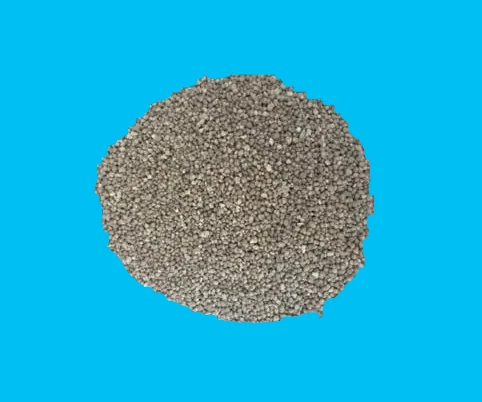

Dry - process DCP plants, as mentioned earlier, are more energy - intensive due to the high - temperature calcination process. This can increase the production cost but may be offset by the higher - quality product.
5. Scale of Production
The scale of production can also vary among different types of DCP plants. Large - scale wet - process DCP plants are often used for mass production to meet the high demand in the fertilizer and animal feed industries. These plants are designed to operate continuously and can produce thousands of tons of DCP per year.
Small - scale DCP plants, which can be either wet - or dry - process, are more suitable for local markets or for producing specialty DCP products. They offer more flexibility in terms of production volume and product customization.
6. Market Applications
The type of DCP plant can also influence the market applications of the product. DCP produced by wet - process plants is commonly used in the fertilizer industry due to its relatively lower cost. It can provide a cost - effective source of phosphorus and calcium for crops.
DCP produced by dry - process plants, with its higher purity, is often used in the animal feed industry. Animals require high - quality nutrients, and the pure DCP from dry - process plants can meet these requirements.
Related Products and Links
If you are interested in other types of phosphate fertilizer plants, we also offer Mono Ammonium Phosphate MAP Fertilizer Plant, TSP Plant, and MKP Fertilizer Plant. These plants are designed to produce high - quality phosphate fertilizers with different chemical compositions to meet various agricultural needs.
Conclusion
In conclusion, different types of DCP plants have significant differences in terms of raw material sources, production processes, product quality, energy consumption, scale of production, and market applications. As a DCP plant supplier, we understand these differences and can provide customized solutions to meet your specific requirements. Whether you need a large - scale wet - process plant for mass - producing fertilizer - grade DCP or a small - scale dry - process plant for high - quality animal feed DCP, we have the expertise and experience to assist you.
If you are interested in purchasing a DCP plant or have any questions about our products and services, please feel free to contact us for further discussion. We are committed to providing you with the best solutions and support throughout the procurement process.
References
- "Fertilizer Technology and Environmental Impact" by John Doe
- "Phosphate Chemistry and Production" by Jane Smith
- Industry reports on DCP production and market trends.