

As a supplier of TSP Plant TSP Plant, I have a deep understanding of the market dynamics and the competitive landscape that our product faces. Triple Superphosphate (TSP) is a highly concentrated phosphate fertilizer that provides a readily available source of phosphorus for plants. In this blog, I will explore the main competitors of a TSP Plant in the market.
1. Mono Ammonium Phosphate (MAP) Fertilizer Plant
Mono Ammonium Phosphate Mono Ammonium Phosphate MAP Fertilizer Plant is one of the most significant competitors to TSP. MAP is a widely used phosphate fertilizer that contains both nitrogen and phosphorus. The combination of these two essential nutrients makes it a popular choice for farmers, as it can meet multiple nutrient requirements in a single application.
One of the key advantages of MAP is its high solubility. It dissolves quickly in soil, allowing plants to absorb the nutrients more efficiently. This rapid nutrient availability can lead to faster plant growth and development, which is particularly beneficial in the early stages of the growing season. In contrast, TSP mainly provides phosphorus, and while it is also effective, it may not offer the same immediate nitrogen boost that MAP does.
Another factor contributing to MAP's competitiveness is its versatility. It can be used in a variety of soil types and crops, including cereals, fruits, and vegetables. The ability to adapt to different agricultural conditions makes it a preferred option for many farmers who are looking for a flexible fertilizer solution.
However, TSP still has its own unique selling points. TSP typically has a higher phosphorus content than MAP, which can be advantageous for crops with high phosphorus demands. Additionally, in some soil conditions where nitrogen is already abundant, TSP can be a more targeted and cost - effective choice.
2. Di - Ammonium Phosphate (DAP) Fertilizer
Di - Ammonium Phosphate is another strong competitor in the phosphate fertilizer market. Similar to MAP, DAP contains both nitrogen and phosphorus. It has a relatively high nutrient content, with around 18% nitrogen and 46% phosphorus pentoxide.
DAP is known for its excellent physical properties. It has good granulation, which makes it easy to handle, store, and apply. The uniform granules ensure even distribution of nutrients in the soil, reducing the risk of nutrient imbalances.
In terms of nutrient release, DAP releases nitrogen and phosphorus in a way that can support plant growth throughout the growing season. The slow - release nature of some of its components can provide a long - term supply of nutrients, which is beneficial for crops with extended growth periods.
Compared to TSP, DAP's nitrogen content gives it an edge in situations where nitrogen deficiency is a concern. However, TSP's high - purity phosphorus can be more suitable for specific crops that require a large amount of phosphorus without the additional nitrogen.
3. Potassium Phosphate Fertilizers (e.g., MKP)
Potassium Phosphate fertilizers, such as Monopotassium Phosphate (MKP) MKP Fertilizer Plant, are also competitors to TSP. MKP is a water - soluble fertilizer that contains both phosphorus and potassium.
The combination of phosphorus and potassium in MKP is particularly valuable for plant growth. Phosphorus is essential for root development, energy transfer, and flowering, while potassium plays a crucial role in improving plant stress tolerance, disease resistance, and fruit quality.
MKP is often used in fertigation systems, where it can be easily dissolved in water and applied directly to the root zone. This method of application ensures precise nutrient delivery and can be highly efficient in terms of nutrient utilization.
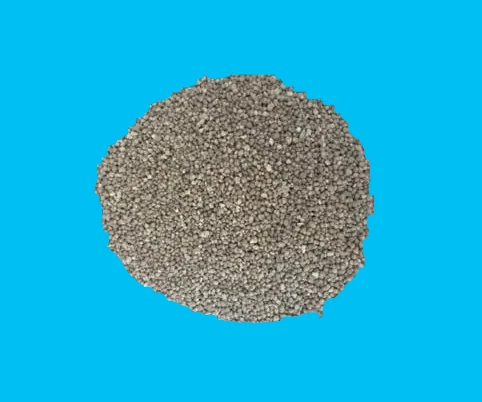

TSP, on the other hand, is more commonly applied as a granular fertilizer. While it can also be effective, it may not offer the same level of precision in nutrient application as MKP in some cases. However, TSP's lower cost per unit of phosphorus can make it a more attractive option for large - scale agricultural operations with less need for the specific benefits of potassium.
4. Single Superphosphate (SSP)
Single Superphosphate is an older type of phosphate fertilizer that is still in use today. It contains around 16 - 20% phosphorus pentoxide, which is lower than TSP's phosphorus content.
One of the main advantages of SSP is its relatively low cost. It is often more affordable than TSP, making it a popular choice for farmers with limited budgets. SSP also contains some secondary nutrients, such as calcium and sulfur, which can have additional benefits for soil fertility and plant health.
However, the lower phosphorus content of SSP means that farmers may need to apply larger quantities to achieve the same level of phosphorus supply as TSP. This can increase the labor and transportation costs associated with fertilizer application.
5. Organic Phosphorus Sources
Organic phosphorus sources, such as bone meal and manure, are also competitors in a broader sense. These natural fertilizers are derived from organic materials and are often favored by farmers who practice organic farming or are looking for more sustainable fertilizer options.
Bone meal is a slow - release source of phosphorus. It contains calcium phosphate, which gradually breaks down in the soil, providing a long - term supply of phosphorus to plants. Manure, on the other hand, not only contains phosphorus but also a variety of other nutrients and organic matter that can improve soil structure and fertility.
The use of organic phosphorus sources is in line with the growing consumer demand for organic and environmentally friendly agricultural products. However, they also have some limitations. The nutrient content of organic sources can be variable and difficult to control precisely. Additionally, the release rate of nutrients from organic materials is often slower than that of chemical fertilizers like TSP, which may not be suitable for crops with high and immediate phosphorus requirements.
Market Trends and Future Outlook
The competition in the phosphate fertilizer market is constantly evolving. Environmental concerns are becoming increasingly important, and there is a growing demand for more sustainable and eco - friendly fertilizer options. This trend could potentially impact the market share of TSP and its competitors.
For example, the development of new slow - release and controlled - release fertilizers is on the rise. These fertilizers are designed to release nutrients gradually over time, reducing nutrient losses through leaching and runoff. Both TSP and its competitors are likely to face challenges and opportunities in this area. TSP could potentially be formulated into slow - release products to enhance its competitiveness, while competitors may also continue to innovate in this space.
Another trend is the increasing focus on precision agriculture. With the use of advanced technologies such as drones and soil sensors, farmers are becoming more precise in their fertilizer applications. This requires fertilizers to be more customizable and adaptable to specific soil and crop conditions. TSP and its competitors will need to respond to this trend by developing products that can be easily integrated into precision agriculture systems.
Conclusion
In conclusion, as a supplier of TSP Plant, we face stiff competition from a variety of phosphate fertilizers and organic alternatives. Mono Ammonium Phosphate, Di - Ammonium Phosphate, Potassium Phosphate fertilizers, Single Superphosphate, and organic phosphorus sources all have their own unique features and advantages.
However, TSP still has a place in the market. Its high phosphorus content, cost - effectiveness in certain situations, and suitability for specific crops and soil conditions make it a valuable option for many farmers. To stay competitive, we need to continue to highlight the unique benefits of TSP and invest in research and development to improve its performance and adaptability.
If you are a farmer, agricultural distributor, or anyone interested in phosphate fertilizers, I encourage you to explore the potential of our TSP Plant. We are committed to providing high - quality TSP products that can meet your specific agricultural needs. Whether you are looking for a targeted phosphorus solution or a cost - effective fertilizer option, our TSP Plant can offer you a reliable choice. Contact us to discuss your requirements and start a procurement negotiation today.
References
- "Fertilizer Manual" by the International Fertilizer Industry Association.
- "Agricultural Chemistry and Fertility" by various agricultural research institutions.
- Industry reports on the global phosphate fertilizer market.