

In the world of manufacturing, especially in industries focused on specialty products like the production of Sulfate of Potash (SOP), the smooth operation and maintenance of production line equipment are paramount. As a supplier of SOP Production Line, I've witnessed firsthand how Standard Operating Procedures (SOPs) can have a profound impact on the maintenance of this equipment.
Understanding SOPs in the Context of SOP Production Lines
Let's start by getting clear on what SOPs are. Standard Operating Procedures are a set of step - by - step instructions that detail how to perform a particular task or operation. In the case of an SOP Production Line, SOPs cover everything from the initial setup of the machinery to the daily production runs and, importantly, the maintenance aspects.
SOPs are like the rulebook for running an efficient and safe production line. They ensure that every worker knows exactly what they need to do, when they need to do it, and how to do it correctly. For example, when it comes to a Mannheim Furnace, which is a key piece of equipment in many SOP production lines, the SOP will specify the proper startup and shutdown procedures. This is not just about getting the furnace to work; it's also about preventing issues that could lead to costly breakdowns.
Impact on Preventive Maintenance
One of the biggest ways SOPs influence equipment maintenance is through preventive maintenance. Preventive maintenance is all about taking care of equipment before problems occur. SOPs play a crucial role here by providing a detailed schedule for regular maintenance tasks.
For instance, SOPs will tell maintenance crews how often to lubricate the moving parts of conveyor belts in the SOP production line. They'll also specify what type of lubricant to use and how much to apply. By following these procedures, we can significantly reduce the wear and tear on the conveyor belts, which in turn extends their lifespan.
Moreover, SOPs help in identifying potential issues early on. A well - written SOP might require operators to perform daily visual inspections of the equipment. During these inspections, small signs of malfunction, such as a loose bolt on a SOP Making Machine, can be spotted and fixed before they turn into major problems. This proactive approach to maintenance saves both time and money in the long run.
Training and Skill Development
Another aspect where SOPs have a big impact on equipment maintenance is in training new employees. When a new worker joins the production line, SOPs serve as a training manual. They provide a clear and consistent way to teach the proper maintenance procedures.
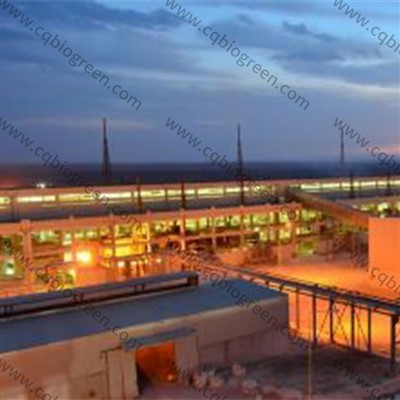

For example, when training someone on how to maintain a Mannheim Furnace, SOPs will walk them through the inspection process, including checking the fuel lines, valves, and temperature sensors. This ensures that new employees are well - versed in the maintenance requirements from day one.
By having standardized training based on SOPs, we can also improve the overall skill level of the workforce. Workers become more confident in performing maintenance tasks, and this leads to better - quality maintenance work. As a result, the equipment runs more smoothly, and the production line experiences fewer disruptions.
Emergency Response and Downtime Reduction
In the event of an equipment breakdown, SOPs are invaluable. They provide a clear set of emergency response procedures. For example, if a SOP Making Machine suddenly stops working, the SOP will outline the steps to be taken immediately. This might include isolating the machine to prevent further damage, conducting a preliminary diagnostic check, and notifying the appropriate maintenance personnel.
Quick and effective emergency response can significantly reduce downtime. Downtime in a production line can be extremely costly, as it means lost production and revenue. By having SOPs in place, we can minimize the time it takes to get the equipment up and running again.
Quality Control and Equipment Performance
SOPs also have an indirect impact on equipment maintenance through quality control. When the production process follows SOPs, the quality of the SOP produced is more consistent. This, in turn, reduces the stress on the equipment.
For example, if the SOP is being produced with inconsistent particle sizes due to improper operating procedures, it can cause excessive wear on the sieving equipment. By following SOPs to ensure uniform particle size, we can protect the sieving equipment and other downstream machinery.
Challenges in Implementing SOPs for Equipment Maintenance
Of course, implementing SOPs for equipment maintenance is not without its challenges. One of the main issues is ensuring that workers actually follow the SOPs. Sometimes, workers might be tempted to skip steps or take shortcuts, especially if they think they can save time.
To address this, we need to provide continuous training and reinforcement. Regular audits can also be conducted to check if the SOPs are being followed correctly. Another challenge is keeping the SOPs up - to - date. As technology improves and new equipment is introduced, the SOPs need to be revised accordingly.
Conclusion
In conclusion, SOPs have a far - reaching and positive impact on the maintenance of production line equipment in the SOP industry. They enhance preventive maintenance, aid in training, reduce downtime during emergencies, and contribute to better quality control. As a supplier of SOP Production Line, I highly recommend that all our clients invest time and effort in developing and implementing effective SOPs.
If you're in the market for a high - quality SOP Production Line or looking to improve your existing production processes, feel free to contact us. We're here to help you optimize your operations and get the most out of your equipment.
References
- [Title of Industry - Specific Publication]
- [Title of Manufacturing Best - Practices Book]
- [Title of SOP Development Guide]