

Hey there! As a supplier of DCP (Dicalcium Phosphate) plants, I'm super stoked to take you on a journey through how these amazing plants work. DCP is a crucial ingredient in animal feed, and having a well - functioning DCP plant is key to producing high - quality products.
Let's start with the basics. DCP is a calcium phosphate salt with the chemical formula CaHPO₄. It's widely used in the animal nutrition industry because it provides essential phosphorus and calcium to animals, which are vital for their bone development, growth, and overall health.
Raw Materials
The first step in the DCP production process is gathering the raw materials. The main raw materials for a DCP plant are phosphate rock and lime or calcium hydroxide. Phosphate rock is a sedimentary rock that contains high levels of phosphate minerals. It's usually mined from large deposits around the world. Lime, on the other hand, can be obtained from limestone through a calcination process.
We source the best - quality phosphate rock and lime for our DCP plants. The quality of these raw materials directly affects the quality of the final DCP product. For instance, if the phosphate rock has a high impurity content, it can lead to lower - grade DCP and may require additional purification steps.
Pre - treatment of Raw Materials
Once we have the raw materials, they need to be pre - treated. The phosphate rock is first crushed and ground into a fine powder. This increases the surface area of the rock, allowing for better reaction with the acid in the next step. The lime is also prepared by slaking it with water to form calcium hydroxide.
This pre - treatment stage is crucial as it ensures that the subsequent chemical reactions occur efficiently. If the phosphate rock is not properly ground, the reaction with acid may be incomplete, leading to lower yields of DCP.
Acidulation
The next major step is acidulation. In this process, the ground phosphate rock is reacted with sulfuric acid. The reaction between phosphate rock and sulfuric acid produces phosphoric acid and calcium sulfate (gypsum) as a by - product. The chemical equation for this reaction is:
Ca₅(PO₄)₃F + 5H₂SO₄ + 10H₂O → 3H₃PO₄+ 5CaSO₄·2H₂O+ HF
The phosphoric acid produced here is then further processed to make DCP. We use advanced acidulation techniques in our DCP plants to ensure maximum conversion of phosphate rock to phosphoric acid. The reaction conditions, such as temperature, pressure, and acid concentration, are carefully controlled to optimize the process.
Neutralization
After acidulation, the phosphoric acid is neutralized with calcium hydroxide (lime). This is the step where DCP is actually formed. The chemical reaction is as follows:
H₃PO₄+ Ca(OH)₂ → CaHPO₄+ 2H₂O
The neutralization process needs to be precisely controlled. The pH of the reaction mixture is a critical parameter. If the pH is too low, the reaction may not proceed to completion, and if it's too high, it can lead to the formation of other calcium phosphate salts, such as tricalcium phosphate.
Filtration and Washing
Once the DCP is formed, the reaction mixture contains solid DCP particles along with some impurities and liquid. Filtration is used to separate the solid DCP from the liquid. The solid DCP is then washed with water to remove any remaining impurities, such as unreacted chemicals or by - products.
We use high - efficiency filtration equipment in our DCP plants to ensure a thorough separation. The washing process is also carefully designed to minimize the loss of DCP while effectively removing impurities.
Drying
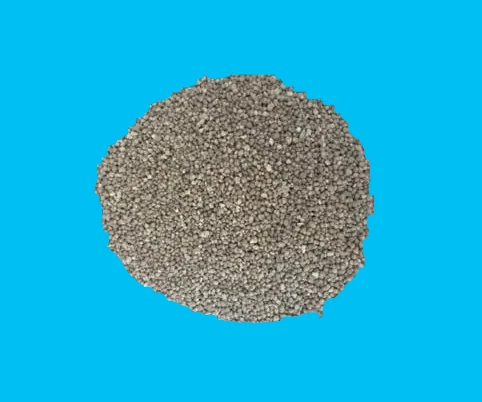
After filtration and washing, the DCP is still wet. It needs to be dried to reduce its moisture content to an acceptable level for storage and use. We use different types of dryers in our DCP plants, such as rotary dryers or fluidized - bed dryers. The drying process is carried out at a controlled temperature to prevent the decomposition of DCP.

Packaging
The final step in the DCP production process is packaging. The dried DCP is packaged into bags or bulk containers, ready to be shipped to customers. We pay great attention to the packaging to ensure that the DCP remains in good condition during transportation and storage.
Now, you might be wondering how our DCP plant compares to other types of fertilizer plants. Well, if you're also interested in TSP Plant or MKP Fertilizer Plant, they have their own unique production processes. A TSP (Triple Superphosphate) plant produces a different type of phosphate fertilizer, and an MKP (Monopotassium Phosphate) Fertilizer Plant focuses on a potassium - and - phosphorus - rich fertilizer.
If you're in the market for a high - quality DCP Plant, we're here to help. Our DCP plants are designed with the latest technology and highest - quality components to ensure efficient and reliable production. Whether you're a small - scale producer or a large - scale industrial operation, we can provide a DCP plant that meets your specific needs.
If you're interested in learning more about our DCP plants or starting a procurement discussion, don't hesitate to reach out. We're always happy to talk about how our plants can benefit your business and help you produce top - notch DCP products.
References
- Fertilizer Manual: A comprehensive guide to fertilizer production processes.
- Journal of Agricultural and Food Chemistry: Articles on the chemistry of phosphate fertilizers and their production.
- International Fertilizer Industry Association (IFA) publications: Information on industry standards and best practices in fertilizer production.