

As a supplier for the MKP Fertilizer Plant, I've had the privilege of closely observing the operations and practices within this industry. One question that often arises in discussions about fertilizer plants is whether they have adequate environmental protection measures in place. In this blog, I'll delve into the environmental protection aspects of the MKP Fertilizer Plant, drawing on my experiences and knowledge of the industry.
Understanding MKP Fertilizer
Mono Potassium Phosphate (MKP), also known as potassium dihydrogen phosphate, is a high - quality, water - soluble fertilizer. It is widely used in agriculture due to its high nutrient content of phosphorus and potassium, which are essential for plant growth. MKP is also used in some industrial applications, such as in the food and beverage industry. The production of MKP involves a series of chemical processes, which, if not properly managed, can have potential environmental impacts.
Air Pollution Control
One of the primary environmental concerns in a fertilizer plant is air pollution. During the production of MKP, various gases and particulate matter can be released into the atmosphere. For example, the reaction processes may generate dust, sulfur dioxide (SO₂), and nitrogen oxides (NOₓ).
The MKP Fertilizer Plant has implemented several air pollution control measures. Firstly, it is equipped with advanced dust collection systems. These systems use technologies such as bag filters and electrostatic precipitators to capture dust particles generated during the production process. Bag filters work by passing the dusty air through a series of fabric bags, where the dust is trapped on the surface of the bags. Electrostatic precipitators, on the other hand, use an electrostatic charge to attract and collect dust particles.
To control the emissions of SO₂ and NOₓ, the plant uses flue gas desulfurization (FGD) and selective catalytic reduction (SCR) technologies. FGD systems remove sulfur dioxide from the flue gas by reacting it with a sorbent, usually lime or limestone. SCR systems reduce nitrogen oxides to nitrogen and water by using a catalyst and injecting ammonia into the flue gas. These technologies significantly reduce the amount of harmful gases released into the atmosphere, ensuring that the plant meets the strict air quality standards set by environmental regulations.
Water Pollution Prevention
Water pollution is another critical environmental issue in the fertilizer industry. The production of MKP may generate wastewater containing high levels of phosphates, potassium salts, and other chemical substances. If this wastewater is discharged untreated, it can cause eutrophication in water bodies, leading to the growth of harmful algal blooms and a decrease in water quality.
The MKP Fertilizer Plant has established a comprehensive wastewater treatment system. The first step in the treatment process is the primary treatment, where large solid particles are removed through sedimentation and filtration. After that, the wastewater undergoes secondary treatment, which includes biological processes to break down organic matter. In the final stage, advanced treatment methods such as reverse osmosis and ion exchange are used to remove dissolved salts and other contaminants.
The treated wastewater is then recycled and reused in the production process as much as possible. Only a small amount of the treated water that meets the strict discharge standards is released into the environment. This not only reduces the environmental impact but also conserves water resources, which is an important aspect of sustainable development.
Solid Waste Management
Solid waste is also a by - product of the MKP production process. The solid waste mainly includes slag, sludge from the wastewater treatment system, and waste packaging materials.
The plant has a well - organized solid waste management plan. The slag, which is a residue from the chemical reactions, is often recycled and used in the construction industry as a raw material for making building materials. The sludge from the wastewater treatment system is dewatered and then sent to a landfill after proper treatment to ensure that it does not pose a risk to the environment.
The waste packaging materials, such as plastic bags and drums, are collected and recycled. The plant encourages the use of reusable packaging materials and has established a system for collecting and reusing these materials. This reduces the amount of waste going to landfills and promotes a circular economy.
Comparison with Other Fertilizer Plants
When comparing the MKP Fertilizer Plant with other types of fertilizer plants, such as the DCP Plant and the TSP Plant, we can see some similarities and differences in environmental protection measures.
All these plants face similar environmental challenges related to air, water, and solid waste pollution. However, the specific production processes of each plant may lead to different types and levels of pollutants. For example, the DCP Plant may generate more calcium - related waste, while the TSP Plant may have higher emissions of certain phosphorus - containing compounds.
The MKP Fertilizer Plant, like the others, invests in advanced environmental protection technologies. However, due to the relatively cleaner production process of MKP compared to some other fertilizers, it may have an advantage in terms of the amount of pollutants generated. But regardless of the differences, all these plants are committed to meeting environmental regulations and implementing best practices in environmental protection.
The Role of Regulations and Monitoring
Environmental regulations play a crucial role in ensuring that the MKP Fertilizer Plant and other fertilizer plants implement effective environmental protection measures. Governments around the world have set strict standards for air emissions, water quality, and solid waste management in the fertilizer industry.
The plant is regularly monitored by environmental authorities to ensure compliance with these regulations. In addition to government - mandated monitoring, the plant also conducts its own internal monitoring. It has a team of environmental experts who regularly test the air, water, and solid waste to ensure that the environmental protection measures are working effectively. If any non - compliance issues are detected, immediate corrective actions are taken.
Conclusion
In conclusion, the MKP Fertilizer Plant has a comprehensive set of environmental protection measures in place. From air pollution control to water pollution prevention and solid waste management, the plant is committed to minimizing its environmental impact. These measures not only help to protect the environment but also ensure the long - term sustainability of the plant's operations.

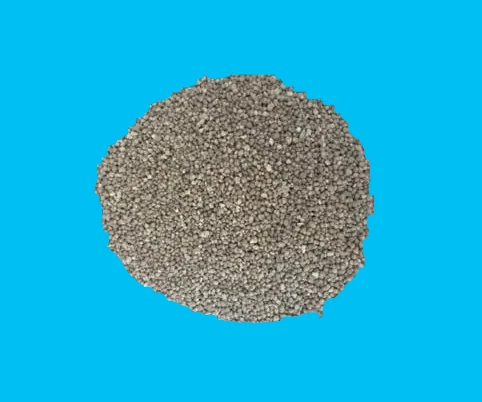
If you are interested in purchasing MKP fertilizer or learning more about the MKP Fertilizer Plant, I encourage you to reach out and start a procurement discussion. We are dedicated to providing high - quality products while maintaining strict environmental standards.
References
- Environmental Protection Agency (EPA). "Fertilizer Manufacturing Industry Profile."
- International Fertilizer Industry Association (IFA). "Sustainable Fertilizer Production Guidelines."
- Journal of Environmental Science and Technology. "Advances in Environmental Protection Technologies in the Fertilizer Industry."