

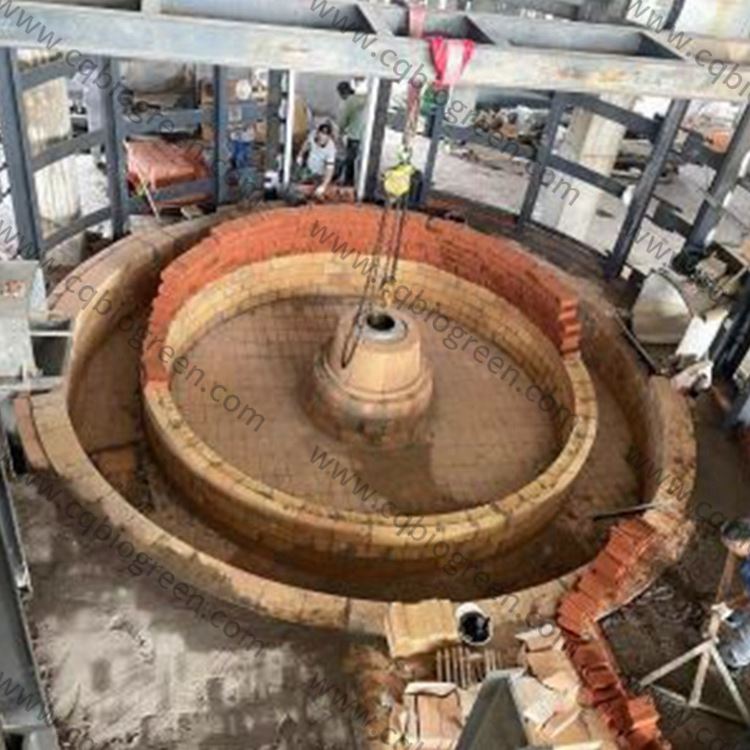
As a supplier of Mannheim Furnace, ensuring high - quality production is at the core of our business. The Mannheim Furnace is a crucial piece of equipment used in the production of potassium sulfate, which is widely applied in the fertilizer industry. In this blog, we will explore the quality management systems that are essential for Mannheim Furnace production.
1. Raw Material Quality Control
The quality of raw materials is the first step in ensuring the quality of the final product. For Mannheim Furnace production, the main raw materials include potassium chloride and sulfuric acid.
Supplier Evaluation
We conduct a comprehensive evaluation of our raw material suppliers. This includes assessing their production capabilities, quality control measures, and reputation in the market. We only partner with suppliers who meet our strict quality standards. For example, we require suppliers of potassium chloride to have a high purity level, typically above 95%. This evaluation process is not a one - time event; we regularly review and monitor our suppliers to ensure continuous quality improvement.

In - house Inspection
Once the raw materials arrive at our facility, they undergo a series of in - house inspections. We use advanced analytical techniques such as titration and spectroscopy to determine the chemical composition and purity of the raw materials. Any batch that does not meet our pre - defined quality criteria is rejected. This strict inspection process helps to prevent sub - standard raw materials from entering the production process, which could otherwise lead to quality issues in the final potassium sulfate product.
2. Production Process Standardization
Standardizing the production process is vital for maintaining consistent quality in Mannheim Furnace production.
Standard Operating Procedures (SOPs)
We have developed detailed Standard Operating Procedures for every step of the Mannheim Furnace production process. These SOPs cover everything from the start - up and shut - down procedures of the furnace to the control of reaction parameters such as temperature, pressure, and feed rates. For instance, the optimal reaction temperature in the Mannheim Furnace for potassium sulfate production is typically maintained between 500 - 600 degrees Celsius. By strictly following these SOPs, our operators can ensure that each batch of potassium sulfate is produced under the same conditions, minimizing variations in quality.
The SOP Making Machine plays an important role in this process. It helps to automate and streamline the production of SOPs, ensuring that they are accurate and up - to - date. This machine can also generate reports on the production process, which are useful for quality control and continuous improvement.
Process Monitoring
Throughout the production process, we continuously monitor key process parameters. We use sensors and control systems to collect real - time data on temperature, pressure, flow rates, etc. This data is then analyzed using statistical process control (SPC) techniques. SPC allows us to detect any deviations from the normal process conditions early on. For example, if the temperature in the furnace suddenly rises above the set limit, an alarm will be triggered, and the operators can take immediate corrective actions. This proactive approach to process monitoring helps to prevent quality problems from occurring and ensures the stability of the production process.
3. Equipment Maintenance and Calibration
The Mannheim Furnace and other associated equipment are the backbone of our production. Proper maintenance and calibration are essential to ensure their reliable operation and the quality of the final product.
Preventive Maintenance
We have a preventive maintenance program in place for all our equipment. This program includes regular inspections, lubrication, and replacement of worn - out parts. For example, the refractory lining of the Mannheim Furnace needs to be inspected regularly for signs of wear and tear. If any damage is detected, it is repaired or replaced immediately to prevent heat loss and ensure the proper functioning of the furnace.
Calibration
All measuring and control instruments used in the production process are calibrated regularly. This includes thermometers, pressure gauges, and flow meters. Calibration ensures that these instruments provide accurate and reliable measurements, which are crucial for controlling the production process. For instance, an inaccurate thermometer could lead to incorrect temperature control in the furnace, resulting in poor - quality potassium sulfate.
4. Quality Assurance in Finished Products
After the production process is completed, the finished potassium sulfate products undergo a final round of quality assurance.
Product Testing
We conduct a comprehensive range of tests on the finished products to ensure they meet the required quality standards. These tests include chemical analysis to determine the purity and composition of the potassium sulfate, as well as physical property tests such as particle size distribution and moisture content. For example, the purity of potassium sulfate should be at least 98% for most agricultural applications.
Packaging and Labeling
Proper packaging and labeling are also important aspects of quality assurance. We use high - quality packaging materials that can protect the potassium sulfate from moisture, dust, and other contaminants during storage and transportation. The labels on the packages provide clear information about the product, including its composition, usage instructions, and safety warnings.
5. Employee Training and Quality Awareness
Our employees are the key to implementing an effective quality management system. We invest heavily in employee training and quality awareness programs.
Training Programs
We provide regular training to our employees on various aspects of quality management, including raw material inspection, production process control, equipment maintenance, and product testing. These training programs are designed to enhance their skills and knowledge, enabling them to perform their jobs more effectively. For example, new operators are trained on the proper use of the Potassium Sulphate Production Line and the interpretation of process data.
Quality Awareness
We also promote a culture of quality awareness among our employees. We hold regular meetings and workshops to discuss quality issues and encourage employees to contribute ideas for quality improvement. By involving employees in the quality management process, we can ensure that everyone is committed to producing high - quality potassium sulfate products.
6. Continuous Improvement
Quality management is an ongoing process, and we are constantly looking for ways to improve our quality management systems.
Data Analysis
We collect and analyze a large amount of data from the production process, including raw material quality, process parameters, and product test results. By analyzing this data, we can identify trends and patterns, and detect areas where improvements can be made. For example, if we notice a recurring problem with the particle size distribution of the potassium sulfate, we can investigate the root cause and take corrective actions.
Customer Feedback
We also value customer feedback. We actively seek feedback from our customers on the quality of our products and services. This feedback helps us to understand their needs and expectations better, and to make necessary improvements to our quality management systems.
In conclusion, a comprehensive quality management system is essential for Mannheim Furnace production. By focusing on raw material quality control, production process standardization, equipment maintenance, product quality assurance, employee training, and continuous improvement, we can ensure that our potassium sulfate products meet the highest quality standards. If you are interested in purchasing Potassium Sulfate Equipment or have any questions about our Mannheim Furnace production and quality management, please feel free to contact us for further discussions and potential procurement opportunities.
References
- Quality Management Principles in the Chemical Industry, ISO Publications
- Handbook of Potassium Sulfate Production Technology, Chemical Industry Press
- Best Practices for Equipment Maintenance in Manufacturing, Manufacturing Management Association