

As a supplier to phosphate fertilizer plants, I've witnessed firsthand the industry's growing emphasis on energy conservation. Phosphate fertilizer production is an energy - intensive process, and implementing effective energy - saving measures is not only environmentally responsible but also economically beneficial for plant operators. In this blog, I'll share some of the most effective energy - saving measures applicable to phosphate fertilizer plants.
1. Process Optimization
One of the fundamental ways to save energy in a phosphate fertilizer plant is through process optimization. This involves fine - tuning the various chemical reactions and physical processes to reduce the energy input required for a given output.
Reaction Conditions
In the production of phosphate fertilizers, the reaction between phosphate rock and sulfuric acid (in the case of superphosphate production) or ammonia (for ammonium phosphate fertilizers) is a critical step. By carefully controlling the reaction temperature, pressure, and reactant ratios, we can ensure that the reactions proceed more efficiently. For instance, maintaining an optimal temperature can enhance the reaction rate, reducing the time and energy needed to complete the process.
Material Recycling
Recycling materials within the plant can also lead to significant energy savings. For example, waste gases and liquids often contain valuable reactants or products. By capturing and recycling these materials, we reduce the need for fresh raw materials and the energy associated with their extraction and processing. In a TSP Plant, recycling the unreacted phosphate rock can reduce the overall energy consumption of the plant.
2. Upgrading Equipment
Outdated equipment is often a major culprit in high energy consumption. By upgrading to modern, energy - efficient equipment, phosphate fertilizer plants can make substantial energy savings.
Evaporators and Dryers
Evaporation and drying are energy - intensive steps in the production of many phosphate fertilizers. Newer evaporators and dryers are designed with advanced heat transfer technologies, such as multiple - effect evaporation and heat pumps. These technologies can significantly reduce the steam or electricity required for evaporation and drying. For example, a heat - pump - assisted dryer can recover waste heat from the drying process and reuse it, reducing the overall energy demand.
Grinding and Milling Equipment
The grinding and milling of phosphate rock into fine powder require a significant amount of energy. High - pressure grinding rolls (HPGRs) and vertical roller mills are more energy - efficient alternatives to traditional ball mills. They can reduce energy consumption by up to 30% in the grinding process, improving the overall energy efficiency of the plant.
3. Energy Management Systems
Implementing an energy management system (EMS) is crucial for effectively monitoring and controlling energy use in a phosphate fertilizer plant.
Monitoring and Analysis
An EMS allows plant operators to continuously monitor energy consumption across different processes and equipment. By analyzing energy data, operators can identify areas of high energy use and inefficiencies. For example, they can detect if a particular pump is consuming more electricity than normal due to a mechanical issue or improper operation.
Automation and Control
Automation systems can optimize energy use by adjusting equipment operation based on real - time data. For instance, variable - speed drives (VSDs) can be installed on pumps and fans to adjust their speed according to the actual demand. This reduces the energy consumption of these devices, as they no longer need to operate at full - speed all the time.
4. Waste Heat Recovery
Phosphate fertilizer production generates a significant amount of waste heat. Recovering and reusing this waste heat can provide a valuable source of energy for the plant.
Steam Generation
In many processes, such as the acidulation of phosphate rock, high - temperature waste gases are produced. These gases can be used to generate steam in waste - heat boilers. The generated steam can then be used for heating, evaporation, or power generation within the plant. This reduces the need for external steam sources and the associated energy costs.
Pre - heating Raw Materials
Waste heat can also be used to pre - heat raw materials before they enter the reaction vessels. For example, pre - heating the phosphate rock can reduce the energy required to reach the reaction temperature, improving the energy efficiency of the reaction process.
5. Lighting and Building Design
Although the production process is the main energy consumer in a phosphate fertilizer plant, the lighting and building design also play a role in overall energy use.
Energy - Efficient Lighting
Replacing traditional incandescent or fluorescent lights with light - emitting diode (LED) lights can significantly reduce the electrical energy consumption for lighting. LEDs are more energy - efficient, have a longer lifespan, and can provide better lighting quality.
Building Envelope
A well - insulated building envelope can reduce the energy required for heating and cooling the plant buildings. Insulating the walls, roofs, and floors can prevent heat transfer, especially in regions with extreme climates. Additionally, using energy - efficient windows and doors can further enhance the energy performance of the buildings.
6. Staff Training and Awareness
Energy - saving measures can only be successful if the plant staff is trained and aware of the importance of energy conservation.
Training Programs
Conducting regular training programs to educate employees about energy - saving techniques and best practices is essential. Employees should be trained on how to operate equipment in an energy - efficient manner, how to identify and report energy - wasting problems, and how to contribute to the plant's energy - saving goals.
Awareness Campaigns
Running awareness campaigns can also help to create a culture of energy conservation within the plant. By promoting energy - saving messages through posters, newsletters, and internal communication channels, employees will be more conscious of their energy use and more likely to take proactive steps to save energy.
In a Mono Ammonium Phosphate MAP Fertilizer Plant and a DCP Plant, these energy - saving measures can be tailored to the specific production processes and requirements of the plant. Whether it's optimizing the reaction conditions for MAP production or improving the waste - heat recovery in a DCP plant, every step towards energy conservation can lead to significant cost savings and environmental benefits.

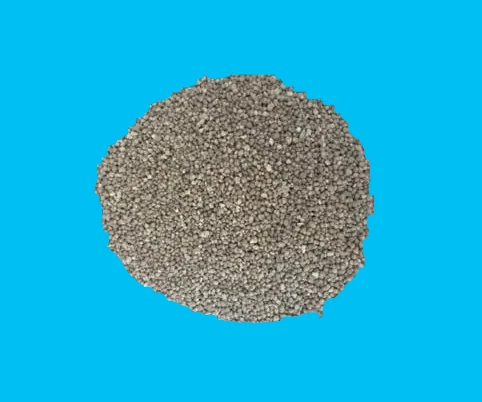
If you're an operator of a phosphate fertilizer plant and are looking to implement energy - saving measures, I'm here to help. As a supplier with extensive experience in the industry, I can provide you with the latest energy - efficient equipment, technologies, and solutions. Let's connect to discuss how we can work together to optimize your plant's energy consumption, reduce costs, and enhance sustainability. Reach out to me to start a procurement conversation and take your phosphate fertilizer plant to a more energy - efficient future.
References
- "Energy Efficiency in the Phosphorus Industry" - International Energy Agency (IEA) reports
- "Advanced Technologies for Phosphate Fertilizer Production" - Journal of Chemical Engineering and Processing
- "Energy Management in Industrial Plants" - Wiley - Blackwell publications