

What are the effects of changes in import tariffs on the cost of raw materials for a Potassium Sulfate Plant?
As a supplier for a Potassium Sulfate Plant, I've witnessed firsthand how the fluctuations in import tariffs can significantly impact the cost of raw materials. Potassium sulfate is a crucial fertilizer, widely used in agriculture to enhance crop yield and quality. The production process of potassium sulfate often relies on various imported raw materials, and any change in import tariffs can set off a chain - reaction in the cost structure of the plant.
The Basics of Potassium Sulfate Production
Before delving into the effects of import tariffs, it's essential to understand the production process of potassium sulfate. One of the most common methods is the Mannheim process, which uses a Mannheim Furnace. In this process, potassium chloride and sulfuric acid react to produce potassium sulfate and hydrochloric acid. Potassium chloride is often sourced from countries with rich potassium salt deposits, such as Canada, Russia, and Belarus. Sulfuric acid can also be imported, especially when local production cannot meet the demand or when imported acid is more cost - effective.
Impact of Tariff Increases on Raw Material Costs
When import tariffs are increased, the immediate and most obvious effect is the rise in the cost of raw materials. For instance, if a tariff is imposed on imported potassium chloride, the price of this key raw material for the potassium sulfate plant will go up. As a supplier, I've seen plants facing a difficult situation when the cost of potassium chloride suddenly spikes due to tariff hikes.
Let's assume that a potassium sulfate plant imports 10,000 tons of potassium chloride annually. If the original price of potassium chloride is $300 per ton and a 10% tariff is imposed, the new price per ton will be $330. This means that the plant will have to spend an additional $300,000 per year on potassium chloride alone. The increase in raw material cost directly squeezes the profit margin of the plant.
Moreover, the higher cost of raw materials can lead to a domino effect on the entire production process. A potassium sulfate plant that uses a Potassium Sulphate Production Line and Potassium Sulfate Equipment may need to adjust its production volume. If the cost of raw materials becomes too high, the plant may reduce production to avoid excessive losses. This reduction in production can lead to a decrease in the supply of potassium sulfate in the market, which may then drive up the price of the final product.
Impact of Tariff Decreases on Raw Material Costs
On the flip side, when import tariffs are decreased, the cost of raw materials for the potassium sulfate plant will decline. A lower tariff on imported potassium chloride or sulfuric acid means that the plant can purchase these raw materials at a lower price. This reduction in cost can have several positive effects.
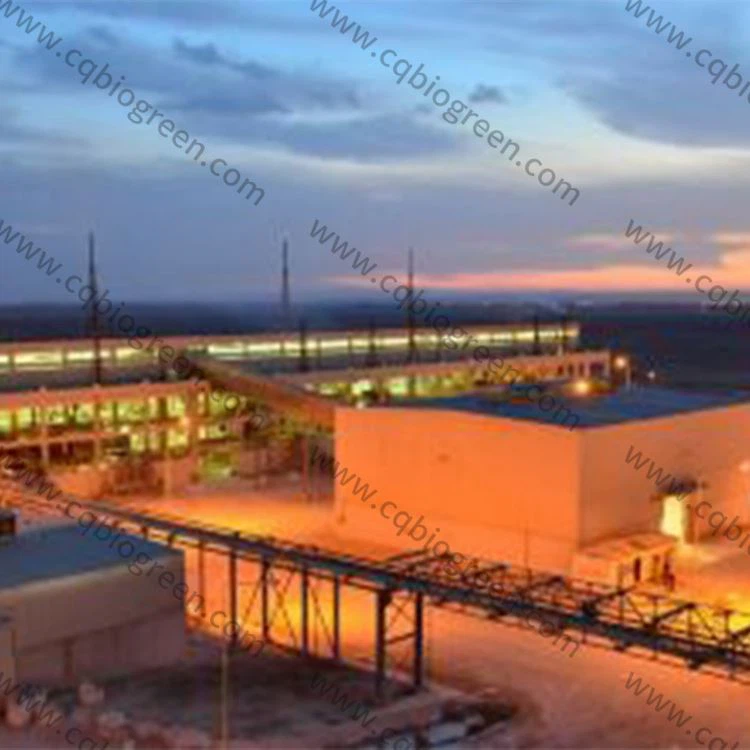

Firstly, it improves the profit margin of the plant. With lower raw material costs, the plant can either increase its profit per unit of potassium sulfate produced or use the cost savings to invest in upgrading its Potassium Sulfate Equipment or expanding its Potassium Sulphate Production Line.
Secondly, a decrease in raw material costs can lead to an increase in production volume. The plant may take advantage of the lower costs to produce more potassium sulfate, which can help meet the growing market demand. This increased supply can also have a stabilizing effect on the market price of potassium sulfate, making it more affordable for farmers.
Indirect Effects of Tariff Changes
Apart from the direct impact on raw material costs, tariff changes can also have indirect effects on the potassium sulfate plant. For example, when tariffs are increased, the plant may start looking for alternative sources of raw materials. It may try to source potassium chloride from domestic mines or from countries that are not subject to the tariff. However, domestic production may not be sufficient in quantity or quality, and finding new international suppliers may take time and involve additional costs, such as transportation and quality control.
Tariff changes can also affect the competitiveness of the potassium sulfate plant in the global market. If a plant in one country faces higher raw material costs due to tariff increases while its competitors in other countries do not, it may lose its competitive edge. This can lead to a decrease in exports and an increase in imports of potassium sulfate, which is not beneficial for the domestic industry.
Coping Strategies for Potassium Sulfate Plants
Potassium sulfate plants need to develop strategies to cope with the impact of tariff changes. One strategy is to enter into long - term contracts with raw material suppliers. By locking in the price of raw materials for a certain period, the plant can reduce the risk of sudden price increases due to tariff changes.
Another strategy is to invest in research and development to find alternative raw materials or production processes. For example, some plants are exploring the use of by - products from other industries as substitutes for potassium chloride or sulfuric acid. This can not only reduce the dependence on imported raw materials but also help in cost - reduction.
Conclusion
In conclusion, changes in import tariffs have a profound impact on the cost of raw materials for a potassium sulfate plant. Tariff increases lead to higher raw material costs, squeezing profit margins and potentially reducing production volume. Tariff decreases, on the other hand, can lower costs, improve profitability, and increase production. The indirect effects of tariff changes, such as changes in competitiveness and the search for alternative raw materials, also need to be considered.
If you are a potassium sulfate plant owner or operator and are facing challenges related to raw material costs due to tariff changes, we are here to help. We can provide you with high - quality Potassium Sulfate Equipment and efficient Potassium Sulphate Production Line solutions to help you optimize your production process and reduce costs. Contact us to start a discussion on how we can work together to address your specific needs.
References
- "The Economics of Fertilizer Production and Trade", International Fertilizer Industry Association.
- "Potassium Sulfate Production Technologies: A Review", Journal of Chemical Engineering.
- "Impact of Trade Policies on the Fertilizer Industry", World Bank Report.