

As a supplier of Mannheim Furnace, I've encountered numerous issues related to its operation and maintenance. In this blog, I'll share some common problems with the Mannheim Furnace and effective troubleshooting methods.
Understanding the Mannheim Furnace
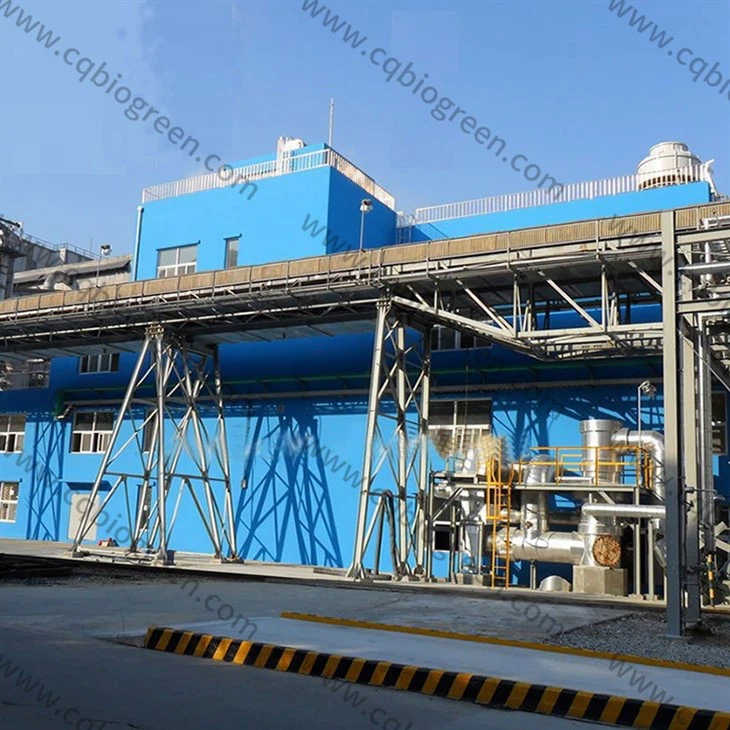
The Mannheim Furnace is a key piece of equipment in the production of potassium sulfate. It operates on a specific chemical reaction principle, where sodium sulfate and potassium chloride react at high temperatures to produce potassium sulfate and sodium chloride. The efficiency and stability of the Mannheim Furnace directly affect the quality and output of Potassium Sulfate Equipment.

Common Problems and Troubleshooting
1. Temperature Control Issues
One of the most common problems with the Mannheim Furnace is inaccurate temperature control. If the temperature is too high, it can lead to excessive energy consumption, damage to the furnace lining, and even affect the quality of the final product. On the other hand, if the temperature is too low, the chemical reaction may not proceed completely, resulting in a low yield of potassium sulfate.
Troubleshooting Steps: - Check the Heating System: Inspect the burners or heating elements to ensure they are functioning properly. Look for any signs of blockages, leaks, or malfunctions. Clean or replace any faulty components as needed. - Verify the Temperature Sensors: Faulty temperature sensors can provide inaccurate readings, leading to improper temperature control. Check the sensors for damage or calibration issues. If necessary, recalibrate or replace the sensors. - Review the Control System: Examine the control system settings to ensure they are configured correctly. Make sure the setpoint temperatures are appropriate for the specific process requirements. Adjust the control parameters as needed to achieve the desired temperature stability.
2. Gas Leakage
Gas leakage is a serious safety hazard in the operation of the Mannheim Furnace. It can not only cause environmental pollution but also pose a significant risk of explosion or fire.

Troubleshooting Steps: - Conduct a Visual Inspection: Look for any visible signs of gas leakage, such as gas odors, hissing sounds, or discoloration around the joints and connections. Check the gas pipes, valves, and fittings for any cracks, loose connections, or damaged seals. - Use a Gas Detector: Employ a gas detector to check for the presence of gas in the surrounding area. This can help identify any hidden leaks that may not be visible to the naked eye. - Repair or Replace Faulty Components: If a gas leak is detected, immediately shut off the gas supply and isolate the affected area. Repair or replace any faulty components, such as damaged pipes, valves, or seals. After the repairs are completed, conduct a thorough leak test to ensure the system is safe to operate.
3. Furnace Lining Damage
The furnace lining plays a crucial role in protecting the furnace structure and maintaining the high temperatures required for the chemical reaction. Over time, the furnace lining can be damaged due to thermal stress, chemical corrosion, or mechanical wear.
Troubleshooting Steps: - Inspect the Furnace Lining: Regularly inspect the furnace lining for signs of damage, such as cracks, spalling, or erosion. Use a borescope or other inspection tools to examine the interior of the furnace. - Determine the Cause of Damage: Identify the root cause of the lining damage, such as improper installation, excessive temperature fluctuations, or chemical attack. Address the underlying cause to prevent further damage. - Repair or Replace the Lining: Depending on the extent of the damage, repair or replace the furnace lining as needed. Use high-quality refractory materials that are suitable for the specific operating conditions of the Mannheim Furnace.
4. Product Quality Issues
Poor product quality can be a significant problem in the production of potassium sulfate using the Mannheim Furnace. This can be caused by a variety of factors, such as improper raw material ratios, incomplete chemical reactions, or contamination.
Troubleshooting Steps: - Analyze the Raw Materials: Ensure that the raw materials used in the production process meet the required quality standards. Conduct regular chemical analyses of the raw materials to check for impurities or variations in composition. - Optimize the Reaction Conditions: Adjust the operating parameters of the Mannheim Furnace, such as temperature, pressure, and residence time, to ensure complete and efficient chemical reactions. Monitor the reaction process closely and make adjustments as needed to improve product quality. - Check for Contamination: Inspect the production equipment and storage facilities for any signs of contamination. Implement proper cleaning and maintenance procedures to prevent the introduction of foreign substances into the product.
Preventive Maintenance
In addition to troubleshooting, preventive maintenance is essential to ensure the long-term reliability and performance of the Mannheim Furnace. Here are some preventive maintenance measures: - Regular Inspections: Conduct regular inspections of the furnace and its components to detect any potential problems early. This includes checking the heating system, gas pipes, valves, furnace lining, and control system. - Cleaning and Lubrication: Keep the furnace and its components clean and well-lubricated to prevent the buildup of dirt, debris, and corrosion. Follow the manufacturer's recommendations for cleaning and lubrication intervals. - Calibration and Testing: Regularly calibrate the temperature sensors, pressure gauges, and other instruments to ensure accurate readings. Conduct performance tests of the furnace to verify its efficiency and output. - Training and Education: Provide proper training and education to the operators and maintenance personnel to ensure they have the necessary skills and knowledge to operate and maintain the Mannheim Furnace safely and effectively.
Conclusion
Troubleshooting the Mannheim Furnace requires a systematic approach and a thorough understanding of its operation and maintenance. By identifying and addressing common problems promptly, implementing preventive maintenance measures, and optimizing the operating conditions, you can ensure the reliable and efficient operation of the Mannheim Furnace and produce high-quality potassium sulfate.
If you are interested in our Potassium Sulfate Equipment, SOP Making Machine, or Potassium Sulfate Plant, please feel free to contact us for further discussion and negotiation. We are committed to providing you with the best solutions and services.
References
- Chemical Engineering Handbook
- Mannheim Furnace Manufacturer's Manual
- Industry Research Reports on Potassium Sulfate Production